

What African Ingredients Can Teach the Modern Kitchen
The modern restaurant kitchen loves discovery.
Fermentation.
Smoke.
Ancient grains.
Plant-based cooking.
Preservation.
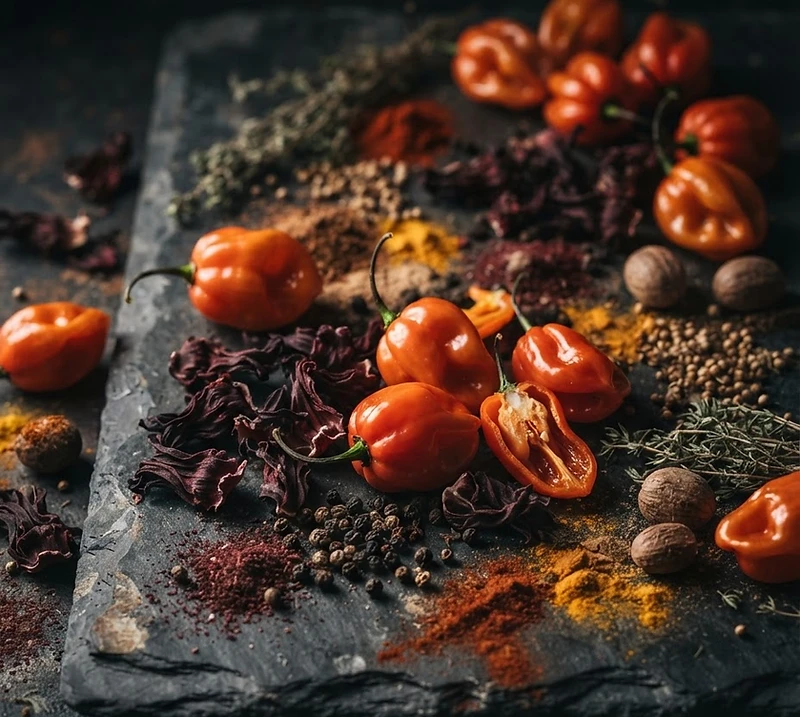
Bold spice blends.
Chefs travel the world searching for techniques capable of creating deeper, more interesting flavour.
Yet many of these ideas have existed in African kitchens for generations.
Perhaps the modern kitchen doesn't always need to invent something new.
Sometimes it needs to look somewhere different.
Fermentation isn't new
Fermentation has become one of contemporary cooking's favourite words.
Across Africa, however, fermentation has long been practical everyday knowledge.
Consider injera, the Ethiopian flatbread traditionally made using fermented teff batter.
Its characteristic sourness isn't a fashionable restaurant trick.
It is fundamental to the food.
Across the continent, fermentation appears in grains, drinks, dairy products and condiments, creating flavour while historically also helping with preservation and digestibility.
Modern chefs can learn something from that.
Fermentation doesn't have to exist merely to make a dish sound clever.
It should make food taste better.
Spice blends are architecture
One of the most interesting things about African cooking is the sophistication of its seasoning.
Consider suya/yaji seasoning.
Or Ethiopian berbere.
North African ras el hanout.
Egyptian dukkah.
These aren't simply collections of spices thrown together.
A good blend has structure.
Heat.
Aroma.
Sweetness.
Earthiness.
Texture.
Different ingredients arrive at different moments as you eat.
That is exactly what chefs try to achieve when building a complex sauce.
African spice traditions remind us that complexity can sometimes come from seasoning rather than additional components on the plate.
Smoke is an ingredient
Fire is fundamental to countless food cultures.
Across Africa, charcoal cooking, roasting and smoking create flavours that modern kitchens sometimes attempt to reproduce with expensive equipment.
Suya demonstrates the principle perfectly.
The smoke isn't an accident.
It becomes part of the seasoning.
The same thinking can be applied to vegetables, fish, meat and sauces.
Smoke should not simply mean "burnt".
Used properly, it adds another layer of flavour.
Grains deserve more attention
Modern British menus still revolve heavily around familiar carbohydrates.
Yet African cuisines offer an enormous vocabulary of grains and starches.
Teff.
Millet.
Sorghum.
Fonio.
Cassava.
Yam.
Plantain.
These ingredients provide different textures, flavours and nutritional characteristics while forcing chefs to rethink the traditional structure of a plate.
For chefs interested in the future of food, particularly resilient crops and diversified food systems, that makes them increasingly interesting.
Vegetables don't have to feel secondary
Another lesson comes from dishes where vegetables, pulses and grains naturally sit at the centre of the meal.
Beans don't need to imitate meat to deserve attention.
Aubergine doesn't need to become a "steak".
Lentils don't require an apology.
African cuisines contain countless examples where plant-based ingredients are simply delicious food rather than substitutes for something else.
There is freedom in that thinking.
Look backwards to move forward
The future of cooking won't necessarily be found exclusively in laboratories or new technology.
Sometimes innovation comes from rediscovering knowledge that already exists.
African kitchens contain generations of understanding around fermentation, preservation, spice, grains, fire and making extraordinary food from relatively humble ingredients.
At Farin Road, that is one reason we're so interested in exploring the continent.
Not because African cooking needs the modern kitchen to make it relevant.
Quite the opposite.
The modern kitchen has plenty it can learn from Africa.


